
-

Try advanced features for free
Get Smarter responses, upload files, create images, and more by logging in.
Log In Sign up & Earn $5

What Is Medical GPT and How Does It Work in Healthcare?

Artificial intelligence is rapidly transforming the healthcare industry, helping professionals manage information, reduce administrative burden, and improve communication. One of the most promising innovations in this space is Medical GPT, a specialized AI model designed to understand and work with medical language and healthcare-related data.
Unlike general-purpose AI tools, Medical GPT is built specifically for healthcare environments. It supports doctors, nurses, researchers, and administrators by assisting with documentation, research, and patient communication. While it does not replace medical professionals, Medical GPT acts as a powerful support system that enhances efficiency and understanding across the healthcare ecosystem.
What Is Medical GPT?
Medical GPT is a type of generative AI model trained specifically on medical and healthcare-related data. It is designed to understand complex clinical terminology, medical documentation, and healthcare workflows.
While general AI models can answer a wide range of questions, Medical GPT focuses on healthcare use cases. It understands medical language more accurately and produces responses tailored to clinical, research, and administrative contexts.
Medical GPT is used to support, not replace, healthcare professionals. It provides text-based assistance such as summaries, explanations, and documentation support while relying on human oversight for clinical decisions.
How Medical GPT Works
Medical GPT works by using natural language processing (NLP) and machine learning techniques trained on large volumes of medical literature, clinical notes, guidelines, and healthcare documentation.
When a user inputs text-such as a clinical note, research question, or administrative request-the model analyzes the language, identifies medical context, and generates a relevant response. This could be a summary, clarification, or structured output depending on the task.
Because Medical GPT is trained on medical-specific data, it understands terminology, abbreviations, and workflows that general AI models may struggle with. However, its outputs are informational and supportive rather than diagnostic or prescriptive.
Key Use Cases of Medical GPT in Healthcare
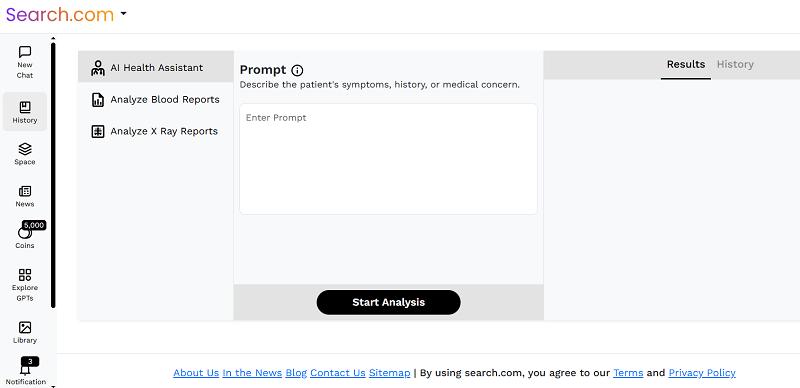
Clinical Documentation Support
One of the most valuable uses of Medical GPT is assisting with clinical documentation. Healthcare professionals spend significant time writing notes, summaries, and reports. Medical GPT can help generate draft documentation, summarize patient interactions, and organize clinical information.
By reducing documentation time, clinicians can focus more on patient care while maintaining accurate records.
Medical Research and Literature Review
Medical GPT is also used in research settings to help analyze and summarize medical literature. Researchers can use it to quickly review large volumes of studies, extract key findings, and understand complex research papers.
This accelerates the research process and helps healthcare professionals stay up to date with the latest medical developments.
Patient Communication and Education
Medical terminology can be difficult for patients to understand. Medical GPT helps translate complex medical language into simpler explanations, improving patient comprehension and engagement.
Clear communication supports better patient experiences and helps individuals feel more informed about their health-while still encouraging consultation with licensed professionals.
Healthcare Operations and Workflow Support
Beyond clinical use, Medical GPT assists with administrative and operational tasks such as scheduling, medical coding support, and workflow optimization.
Healthcare administrators use Medical GPT to improve efficiency, reduce errors, and streamline internal processes across hospitals, clinics, and healthcare systems.
Benefits of Using Medical GPT in Healthcare
Medical GPT offers several benefits that make it valuable across healthcare settings:
- Time savings for clinicians and staff
- Reduced administrative burden
- Improved documentation clarity
- Better access to medical information
- Enhanced patient communication
- Scalable support across healthcare systems
By handling repetitive and text-heavy tasks, Medical GPT allows healthcare professionals to focus on higher-value work.
Is Medical GPT Safe and Reliable?
Safety and reliability are critical in healthcare, and Medical GPT must be used responsibly. These tools are designed to assist, not make medical decisions. Human oversight is essential to ensure accuracy and appropriate use.
Medical GPT systems are typically built with data privacy and compliance in mind, following healthcare regulations and best practices. However, organizations must ensure proper implementation, secure data handling, and clear guidelines for use.
Medical GPT should never be used as a standalone diagnostic tool. Its role is supportive, helping professionals make informed decisions-not replacing clinical judgment.
Medical GPT vs Traditional Healthcare Software
Traditional healthcare software is often rule-based and task-specific. Medical GPT introduces flexibility by understanding natural language and adapting to different contexts.
Compared to traditional systems, Medical GPT offers:
- More conversational interaction
- Faster adaptation to new information
- Reduced manual input
- Improved scalability
However, traditional healthcare systems remain essential for structured data, compliance, and core clinical operations. Medical GPT complements these systems rather than replacing them.
Who Can Use Medical GPT?
Medical GPT can be used by a wide range of healthcare stakeholders, including:
- Doctors and clinicians for documentation and research
- Nurses and allied health professionals for workflow support
- Medical researchers for literature analysis
- Healthcare administrators for operational efficiency
In some cases, patients may interact with Medical GPT through healthcare platforms, but always with clear boundaries and professional oversight.
How Search.com Helps You Learn About Medical GPT
As healthcare AI continues to evolve, staying informed is essential. Search.com helps users discover reliable information about Medical GPT and other healthcare AI technologies.
With Search.com, users can:
- Research Medical GPT tools and platforms
- Learn about healthcare AI use cases
- Compare features and applications
- Stay updated on medical AI trends
Search.com simplifies access to trusted information, helping healthcare professionals and organizations make informed decisions.
Conclusion
Medical GPT represents a major step forward in healthcare technology. Understanding medical language and supporting documentation, research, and communication, it helps healthcare professionals work more efficiently and effectively.
Importantly, Medical GPT is a support tool-not a replacement for medical expertise. When used responsibly, with proper oversight and ethical considerations, it has the potential to improve healthcare workflows and patient experiences. As AI continues to advance, Medical GPT will play an increasingly important role in modern healthcare, and platforms like Search.com make it easier to understand and explore these innovations.
Recommended Articles




What can I help you with?
Unlock more with SearchGPTPlus
SearchGPTPlus gives you higher limits, smarter models, and more.