
-

Try advanced features for free
Get Smarter responses, upload files, create images, and more by logging in.
Log In Sign up & Earn $5

How Educators Can Use SearchGPT to Personalize Student Learning
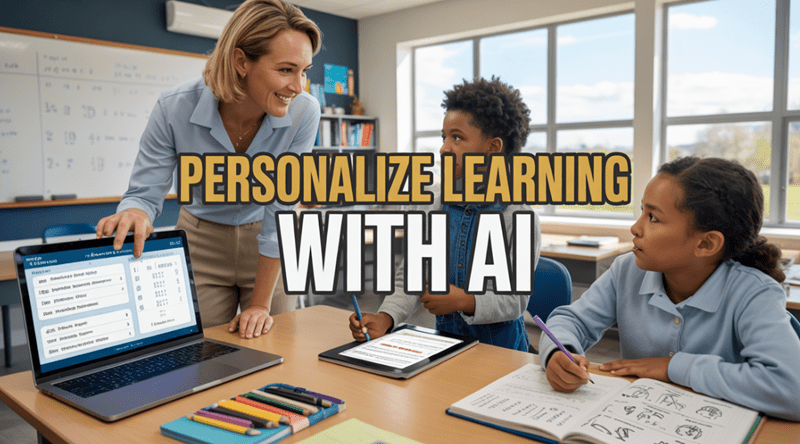
Education is no longer confined to a one-size-fits-all approach. Classrooms today are evolving rapidly, driven by technological innovation and a growing understanding that every student learns differently. Teachers are constantly searching for smarter ways to adapt lessons, track progress, and create meaningful learning experiences that resonate with each individual student. This is where advanced AI-powered tools like SearchGPT are transforming the landscape. Understanding how educators can use SearchGPT to personalize student learning is becoming essential for modern teaching strategies. By leveraging intelligent search capabilities and adaptive content generation, educators can move beyond traditional teaching methods and create highly customized learning environments that cater to diverse needs, abilities, and learning styles.
The Shift Toward Personalized Learning
Personalized learning is not just a trend; it is a necessary evolution in education. Every student comes with unique strengths, weaknesses, interests, and pacing requirements. Traditional teaching models often struggle to accommodate this diversity, leaving some students behind while others remain under-challenged. This broader evolution also highlights the growing importance of understanding the use of AI in day-to-day life, especially as intelligent tools continue to shape how people learn, work, and make decisions.
When educators explore how teachers can improve student learning with SearchGPT, they unlock the ability to tailor educational content in real time. Instead of relying solely on static textbooks or generalized lesson plans, teachers can dynamically adjust materials to suit individual learners. This results in improved engagement, better retention, and a more inclusive learning experience.
How Educators Can Use SearchGPT to Personalize Student Learning
One of the most impactful ways educators can personalize student learning with SearchGPT is through adaptive content creation. Teachers can generate customized explanations, examples, and exercises based on a student's current level of understanding. For instance, a student struggling with a concept can receive simplified explanations, while advanced learners can explore deeper, more complex variations of the same topic. Educators can strengthen these outcomes even further by improving how they approach AI-powered searches, helping generate responses that are more accurate, relevant, and instructionally useful.
Another powerful application lies in differentiated instruction. Educators often face the challenge of teaching mixed-ability classrooms. With intelligent tools, teachers can quickly develop multiple versions of the same lesson, ensuring that every student receives instruction aligned with their capabilities. This approach significantly enhances comprehension and keeps students motivated.
Assessment is another area where personalization becomes highly effective. By using smart search and analysis capabilities, educators can design quizzes and assignments tailored to individual progress levels. This ensures that assessments are not just evaluative but also developmental, helping students improve continuously.
Enhancing Student Engagement Through Intelligent Content
Engagement is a critical factor in successful learning outcomes. When students find content relatable and appropriately challenging, they are more likely to stay focused and interested. Understanding how teachers can enhance student learning using SearchGPT allows educators to craft lessons that align with students' interests and preferences. This same adaptability also reflects the value of using AI for smart, personalized planning, where context, preferences, and specific goals all shape better outcomes.
For example, a history lesson can be adapted to include storytelling elements for narrative learners, while visual learners can be provided with descriptive explanations that help them imagine events vividly. Similarly, science topics can be presented with real-world applications, making them more relevant and engaging.
This level of customization not only improves attention but also fosters a deeper emotional connection to the subject matter. Students begin to see learning as a personalized journey rather than a mandatory routine.
Supporting Teachers with Professional-Grade Tools
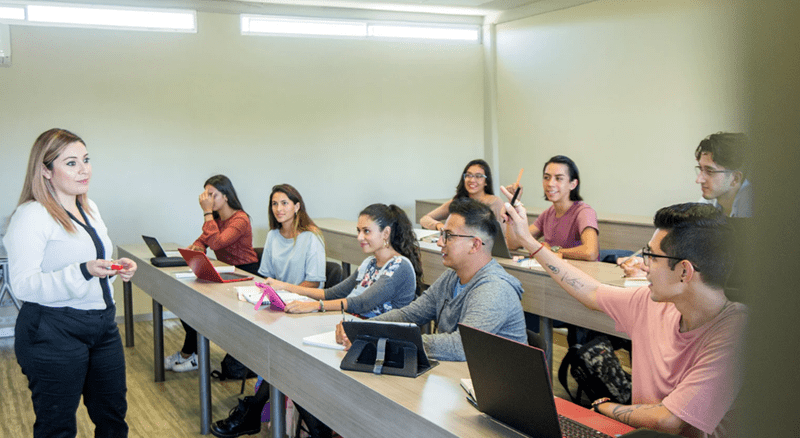
Teaching is a demanding profession that requires constant planning, adaptation, and evaluation. Leveraging advanced solutions ensures that educators are not overwhelmed by the complexity of personalization. Instead, they are empowered with tools that simplify the process while maintaining high standards of quality.
When considering how educators can use SearchGPT to improve student learning, it becomes evident that professional-grade solutions play a vital role. These systems are designed to assist teachers in creating structured, accurate, and relevant educational content without compromising on quality or consistency.
Rather than relying on manual methods that consume time and effort, educators can focus on delivering impactful lessons and building stronger connections with their students. Professional support ensures that personalization is not just achievable but sustainable over time.
Bridging Learning Gaps Effectively
Every classroom has students who face learning gaps due to various reasons, including differences in prior knowledge, learning speed, or external factors. Addressing these gaps requires a targeted approach that traditional teaching methods often fail to provide.
By understanding how educators can personalize student learning with SearchGPT, teachers can identify specific areas where students need additional support. Customized resources can then be generated to address these gaps directly. This targeted intervention helps students catch up without feeling overwhelmed or left behind.
Moreover, continuous monitoring and adaptation ensure that progress is tracked effectively. Students receive the right level of challenge at the right time, which builds confidence and encourages consistent improvement.
Encouraging Independent Learning
Personalized learning is not just about teacher-led instruction; it also promotes independence among students. When learners have access to tailored resources, they can explore topics at their own pace and revisit concepts as needed.
Exploring how teachers can improve student learning with SearchGPT reveals its potential to foster self-directed learning habits. Students can engage with customized materials that align with their learning style, making it easier to grasp complex concepts without constant supervision.
This independence is crucial for long-term academic success. It prepares students to take ownership of their education and develop critical thinking skills that extend beyond the classroom.
Creating Inclusive Learning Environments
Inclusivity is a fundamental aspect of modern education. Classrooms often include students with varying abilities, backgrounds, and learning preferences. Personalized learning ensures that no student is excluded from the learning process.
When educators focus on how teachers can enhance student learning using SearchGPT, they can create inclusive environments where every student feels valued and supported. Content can be adapted to accommodate different learning needs, ensuring that all students have equal opportunities to succeed.
This approach not only improves academic performance but also fosters a sense of belonging and confidence among students. Inclusive classrooms contribute to a positive learning culture that benefits everyone involved.
The Role of Professional Expertise in Implementation

While technology plays a crucial role in personalization, the expertise of educators remains irreplaceable. Professional implementation ensures that tools are used effectively and aligned with educational goals.
Educators who understand how educators can use SearchGPT to improve student learning can integrate these solutions seamlessly into their teaching strategies. This requires a thoughtful approach that combines technological capabilities with pedagogical knowledge.
Professional support ensures that personalization is not just a theoretical concept but a practical reality. It helps educators maximize the benefits of advanced tools while maintaining a strong focus on student outcomes.
The Future of Personalized Education
The future of education lies in personalization, adaptability, and continuous improvement. As technology continues to evolve, educators will have access to even more advanced tools that enhance their ability to cater to individual student needs.
Understanding how educators can use SearchGPT to personalize student learning is just the beginning. As these tools become more refined, the possibilities for innovation in education will expand significantly. Teachers will be able to create highly interactive, engaging, and effective learning experiences that prepare students for the challenges of the modern world. As AI becomes more embedded in learning environments, it also reinforces the importance of understanding how AI is shaping the workplace, preparing students for technology-driven professional settings.
This transformation is not just about improving academic performance; it is about redefining the way education is delivered and experienced.
Conclusion
Personalized learning is redefining how educators leverage artificial intelligence, eliminating the limitations of one-size-fits-all teaching and enabling more adaptive, student-centric approaches. It enhances engagement, improves learning outcomes, and allows educators to deliver highly customized content that aligns with each student's pace and understanding. By embracing this approach, institutions can create scalable, intelligent learning environments that evolve with student needs.
Contact search.com to explore how a powerful ChatGPT alternative can help educators personalize student learning, enhance classroom outcomes, and deliver smarter, more effective educational experiences. Let's innovate together.


What can I help you with?
Unlock more with SearchGPTPlus
SearchGPTPlus gives you higher limits, smarter models, and more.